The Locke Proposal
The Locke Proposal is the political settlement that ends the League War, the brief but bloody conflict that erupts among human factions immediately after the Third Invasion. It is named for Locke, the pseudonymous political persona created by Peter Wiggin, and it is brokered through the combined influence of Locke and his sister Valentine's persona, Demosthenes. The proposal is first mentioned by Petra Arkanian in the aftermath of the war on Eros, when she tells Ender that the truce on Earth has been negotiated and that the warring parties have finally agreed to accept the Locke Proposal. Its acceptance marks the formal end of the League War and the beginning of a new political order, one in which the International Fleet survives but without the Warsaw Pact as a member.
Origins and Authorship
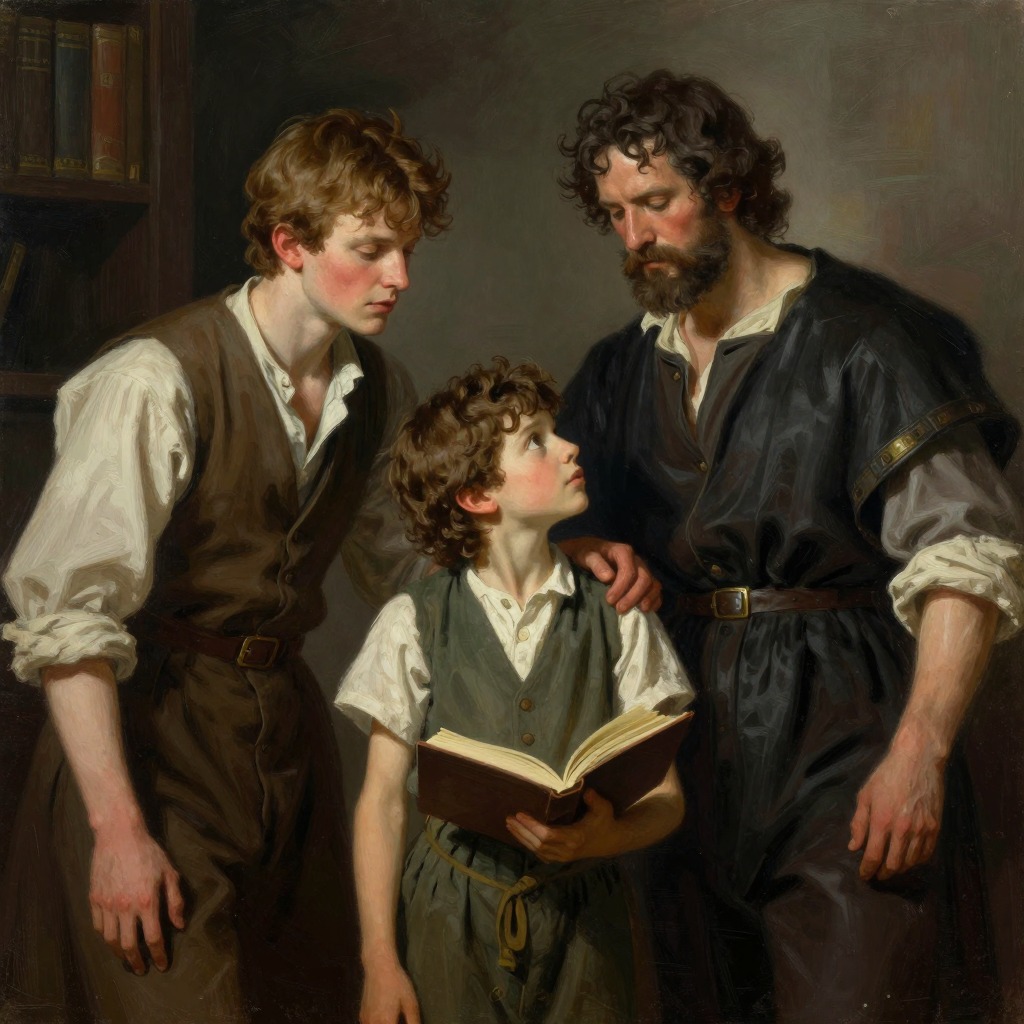
The Locke Proposal is the culmination of years of secret political maneuvering by Peter and Valentine Wiggin. As children, they created the pseudonymous identities of Locke and Demosthenes to influence public opinion through the nets. Peter, writing as Locke, developed a reputation as a moderate, wise voice, while Valentine, writing as Demosthenes, became a fiery, paranoid anti-Warsaw polemicist. Their collaboration was designed to give them influence over world events, and the Locke Proposal represents the first major concrete achievement of that influence. Peter conceived the proposal as a way to forestall a devastating war between the American-led Hegemony and the Warsaw Pact, and he used both personas to push it forward: Demosthenes lent it the support of the masses, while Locke provided the intellectual justification. The proposal was named for Locke because it was Peter's persona that articulated the plan, and it was through Locke that Peter hoped to gain the respect and power he craved.
Content and Terms
The exact terms of the Locke Proposal are not fully detailed in the novel, but its consequences are clear: it preserves the International Fleet as an institution, but it excludes the Warsaw Pact from membership. This arrangement effectively ends the League War by removing the primary source of conflict between the American-led bloc and the Russian-led Warsaw Pact. The proposal also implies a restructuring of the Hegemony, as the Hegemon's power is diminished and the I.F. becomes a more neutral, international force. The proposal is notable for its pragmatism: it does not attempt to create a perfect peace, but rather a stable balance of power that can prevent immediate catastrophe. As Peter later explains to Valentine, his cynical motivation was that if the League fell apart completely, he would have to conquer the world piece by piece, whereas as long as the Hegemony exists, he can control it in one lump.
Consequences and Aftermath
The acceptance of the Locke Proposal has immediate and far-reaching consequences. On Eros, it means that the Warsaw Pact marines are sent home, and the I.F. remains in existence, though without the Pact. The proposal also leads to the resignation of the Hegemon, as the old order gives way to a new one. More importantly, it sets the stage for Peter Wiggin's rise to power. The proposal makes Peter, as Locke, a figure of international importance, and it is the first step toward his eventual position as Hegemon of Earth. For Ender, the proposal indirectly shapes his fate: it is because of the political stability it creates that Ender is able to leave Eros and, eventually, to travel to the colony worlds. The proposal also marks a turning point in the relationship between Peter and Valentine, as it is the moment when their collaboration reaches its peak, and it is shortly after this that Valentine decides to break free from Peter's control and join Ender in exile.
Significance
The Locke Proposal is a testament to the power of words and ideas in shaping history. It demonstrates that even children, if they are brilliant and determined enough, can influence the course of world events. The proposal is also a reflection of Peter Wiggin's character: it is a calculated, pragmatic solution that serves his own ambitions while also preventing a catastrophic war. In the broader narrative of Ender's Game, the proposal represents the transition from the bugger war to the human political struggles that follow, and it highlights the contrast between Ender's heroic but tragic victory and Peter's cold, political maneuvering. The proposal's name, Locke, evokes the Enlightenment philosopher John Locke, suggesting a rational, social-contract-based approach to governance, which is fitting for a plan that seeks to establish order through negotiation rather than force.